


Living with excessive sweating can be exhausting. It’s more than just physical discomfort—it’s the constant worry about sweaty palms and feet, and the anxiety of trying to hide it from others.
Many patients try every option they can, often out of frustration or desperation, just to find some relief.
One option some people explore is medical cannabis, specifically compounds like tetrahydrocannabinol (THC) and cannabidiol (CBD). But the real question is: “Can marijuana actually reduce excessive sweating?”
Research suggests that cannabis may help with certain conditions, such as chronic pain and chemotherapy side effects. However, when it comes to hyperhidrosis, the evidence is extremely limited.
Exploring new options is understandable, but surgical treatments remain the gold standard for excessive sweating of the hands and feet.
Procedures like Endoscopic Thoracic Sympathectomy (ETS) and Endoscopic Lumbar Sympathectomy (ELS) consistently deliver results, helping patients achieve long-term relief.
At The Center for Hyperhidrosis, our team focuses on evidence-based solutions—not unproven trends. Our mission is to help patients cut through the confusion and find real, lasting options for relief.
Patients and families worldwide choose us because we provide safe, proven, and permanent treatments for primary hand and foot hyperhidrosis.
Our credentials include:
- Over 9,400 patients successfully treated, achieving permanent results.
- A 99.2% surgical success rate for both our refined ETS and ELS procedures.
- A team with over 50 years of combined experience, led by world-renowned surgeon Dr. Eraj Basseri.
- A fully accredited, state-of-the-art surgical facility in Beverly Hills dedicated entirely to hyperhidrosis care.
- Customized treatment plans tailored to your unique needs, goals, and preferences.
If you’re considering medical cannabis or other experimental options, we encourage you to first consult with our team, who can guide you toward proven, lasting treatments.
In the following sections, we’ll explore:
- What current research says about cannabis and its possible effects on excessive sweating
- Why short-term relief doesn’t always translate into lasting success
- How proven alternatives can safely provide real, long-term results
- Whom to trust for surgical treatment, including specialized procedures like ETS and ELS
Key Takeaways
- Current evidence for cannabis and hyperhidrosis is limited. So far, only a few case reports and small studies exist, with no large-scale clinical trials or proven outcomes.
- Cannabidiol (CBD) may show some potential in easing sweating, but more research is needed before it can be considered a reliable option.
- Cannabis use can sometimes make excessive sweating worse, especially since smoking weed can raise your heart rate and trigger anxiety and paranoia.
- Surgical treatments, such as Endoscopic Thoracic Sympathectomy (ETS) and Endoscopic Lumbar Sympathectomy (ELS), remain the gold standard for treating sweaty hands and feet.
- Before trying experimental or unapproved options like cannabis, we encourage you to consult with Dr. Eraj Basseri and our team first.
What Is Hyperhidrosis and Why Are People Turning to Cannabis?
Hyperhidrosis is a medical condition that causes excessive sweating, far more than your body needs to regulate temperature.
It affects an estimated 3% of Americans, though many go undiagnosed or undertreated.
For some, it means constantly wiping damp palms before a handshake. For others, it’s sweating through socks and shoes—even in a cold room.
Over time, hyperhidrosis can take a serious toll on your quality of life, leading to social discomfort, career limitations, reduced self-esteem, and daily inconveniences.
It’s important to know, however, that not all excessive sweating is the same. There are two primary forms of hyperhidrosis:
- Primary hyperhidrosis, which is genetic and occurs without any underlying medical condition. It typically manifests in childhood or adolescence.
- Secondary hyperhidrosis, which results from other medical conditions or medications that have increased sweating as a side effect.
When traditional treatments, such as antiperspirants, BOTOX® injections, or anticholinergic medications, don’t provide enough relief, many patients naturally begin searching for alternatives.
One option that often comes up is cannabis.
With growing public attention on medical marijuana for conditions like chronic pain and anxiety, it’s natural to wonder whether its compounds might also affect sweat production.
Unfortunately, most available information comes from isolated case reports or small, PubMed-listed pilot studies, which aren’t strong enough to offer clear, reliable conclusions.
While cannabinoids may interact with the body’s endocannabinoid system (ECS) and potentially influence body temperature regulation, there is still no verified evidence that they can safely or effectively treat genetic hyperhidrosis, especially in the hands or feet.
In contrast, The Center for Hyperhidrosis offers proven, lasting solutions backed by decades of focused expertise.
With more than five decades of combined surgical experience, our team has treated more than 9,400 patients using specialized outpatient procedures.
Under the leadership of Dr. Eraj Basseri, we continue to achieve 99.2% success rates for both Endoscopic Thoracic Sympathectomy (ETS) and Endoscopic Lumbar Sympathectomy (ELS).
While some people explore cannabis for temporary relief, surgery remains the definitive, proven solution for severe hand and foot sweating.
What Causes Hyperhidrosis?
Hyperhidrosis happens when the sympathetic nervous system (SNS), a part of your central nervous system that controls sweating, becomes overactive.
Usually, this system helps regulate body temperature by activating sweat glands when needed.
In people with primary hyperhidrosis, however, the system misfires, causing uncontrollable sweating, often in the hands or feet, even without heat, exercise, or obvious triggers.
That’s why hyperhidrosis is recognized as a physiological disorder, not a psychological one—you’re not sweating simply because of stress or anxiety.
It’s true that emotions can trigger episodes of sweating and make symptoms worse. But they are not the root cause. An overactive SNS remains the primary driver of the condition.
Secondary hyperhidrosis, on the other hand, can be triggered by:
- Medications, including antidepressants, birth control, and anticholinergics
- Hormonal changes, such as menopause or thyroid disorders
- Underlying medical conditions such as diabetes, infections, or spinal cord injuries
- Lifestyle factors such as eating spicy foods, drinking caffeine, and alcohol
- Stress and anxiety, which can temporarily intensify sweating
At The Center for Hyperhidrosis, world-leading specialist Dr. Basseri uses comprehensive diagnostic evaluations to determine whether your sweating is due to primary hyperhidrosis—the condition we treat.
Once identified, our team tailors a treatment plan focused on the overactive nerves causing sweaty hands and feet.
Types of Hyperhidrosis: Focal vs Generalized
There’s no one-size-fits-all treatment for hyperhidrosis. After all, not all cases of excessive sweating are the same. So, understanding your type can help guide the most appropriate treatment.
Primary and secondary hyperhidrosis can be further categorized into:
- Focal hyperhidrosis, often associated with primary hyperhidrosis, affects specific areas of the body. At The Center for Hyperhidrosis, our team focuses on:
- Palmar hyperhidrosis: Excessive sweating of the hands
- Plantar hyperhidrosis: Excessive sweating of the feet
- Generalized hyperhidrosis, often linked to secondary hyperhidrosis, involves widespread or full-body sweating.
This type usually results from an underlying medical condition or may be triggered by certain medications, and isn’t The Center’s specialization.
Focal hyperhidrosis in the hands or feet often responds exceptionally well to surgical treatment, such as ETS and ELS. At The Center for Hyperhidrosis, these procedures have 99.2% success rates, providing long-term relief for patients.
By accurately classifying primary hyperhidrosis, our team can recommend the most effective, lasting treatment, helping you move beyond temporary fixes and regain control over sweaty hands and feet.
Can Anxiety Cause Hyperhidrosis?
Many patients notice that their sweating gets worse during stressful or anxious moments. Anxiety activates the body’s natural “fight-or-flight” response, which increases sympathetic nervous system activity—the same system that triggers sweating.
Some patients report temporary relief after using substances like alcohol or marijuana because these can create a sense of mental relaxation and lower sympathetic nerve activity.
However, these effects are usually short-lived and can worsen symptoms over time due to tolerance buildup, meaning you’d need more of the substance to feel the same relief.
So, what about cannabis? For some people, cannabis may trigger paranoia or anxiety in some individuals, which may actually make sweating worse instead of reducing it.
The good news is that surgical treatments at The Center for Hyperhidrosis address the root cause directly.
Many patients who once struggled with social embarrassment or performance anxiety report renewed confidence and everyday comfort after surgery—something no substance can replicate.
“I gained so much confidence out of getting my ETS surgery with Dr. Basseri. It has literally changed my life for the better in so, so many ways. I am four years out of surgery, and I can’t almost even remember what life is like with sweaty hands.
I have a brand new life with dry hands, and can go through life with the most confidence. I can type on my computer without leaving puddles on my keyboard and making it difficult for me to type.
I also can type on my phone and just use my phone without making it all slippery. I also can write on a paper confidently, without it getting soiled and without me having to worry about making rips in my paper.
I also can high-five a teammate confidently. Things don’t slip out of my hands, like a coffee mug, or whenever I’m driving, my hand won’t slip off the wheel whenever I’m trying to make a turn, or really dangerous things like that.
I also have way less anxiety in social environments. Most of the time. In social environments, I would get really anxious because I [would] be so insecure and scared of what might happen if someone comes up to me and shakes my hand, or if I would ever need to have contact with someone and hold their hand, shake their hand, do things like that.
Overall, I just have way more confidence to interact with the world with dry hands.”
Hannah
Can Cannabis Help Reduce Excessive Sweating from Hyperhidrosis?
Before exploring whether cannabis can help with excessive sweating, it’s crucial to understand what cannabis actually is.
In simple terms, “cannabis” refers to the dried flowers, seeds, stem, and leaves of the cannabis plant. These parts contain active compounds called cannabinoids, the most well-known of which are:
- Tetrahydrocannabinol (THC): The psychoactive component responsible for the “high.”
- Cannabidiol (CBD): A non-intoxicating compound often associated with potential therapeutic effects.
These cannabinoids interact with the body’s endocannabinoid system (ECS)—a network in the central nervous system that helps regulate bodily functions like temperature control.
Because an overactive SNS drives hyperhidrosis, it’s understandable that some people wonder whether cannabis might influence sweating.
While a few isolated reports suggest temporary changes in sweating, the evidence is extremely limited. These observations are small, anecdotal, and not verified by large-scale, systematic reviews.
Cannabis is not FDA-approved for treating primary hyperhidrosis. In some people, it may even worsen symptoms, as tolerance can develop over time, and side effects such as paranoia or anxiety can trigger more sweating.
In contrast, The Center for Hyperhidrosis offers proven, permanent treatments for sweaty hands and feet.
Our team has treated over 9,400 patients with a 99.2% success rate through refined procedures such as ETS and ELS, which target the root cause of hyperhidrosis.
While research into cannabinoids continues, the most effective and lasting relief for primary hyperhidrosis remains surgical treatment provided by experts like Dr. Eraj Basseri.
Is CBD Good for Hyperhidrosis?
CBD, the nonpsychoactive compound found in cannabis, has shown some promise in a few limited case studies. However, it’s not a proven treatment for primary hyperhidrosis.
In rare cases involving patients with conditions such as social phobia or autism spectrum disorder, CBD appeared to have a temporary effect on sweating.
Researchers suggest that this may be related to CBD’s interaction with serotonin 5HT1A—a brain receptor involved in neurological processes such as cognition and emotion—which can influence stress-related sweating.
That said, these findings are isolated observations rather than established evidence. Dosages, effects, and delivery methods varied widely between reports, making it difficult to draw reliable conclusions.
Because of this variability, medical supervision is essential if you’re considering CBD for hyperhidrosis.
For patients with sweaty hands or feet, the most effective option remains surgical treatment offered by our team, which directly addresses the physiological cause of the condition.
How Cannabis Might Work for Hyperhidrosis
Researchers have proposed several theoretical mechanisms for how cannabis might influence sweating:
- Endocannabinoid system regulation: Cannabinoids may help regulate the body’s physiological processes, such as temperature control, potentially reducing sweating.
- Anti-inflammatory effects: CBD’s known anti-inflammatory properties may help reduce local inflammation and, by extension, hyperhidrosis symptoms.
- Anxiolytic effects: By lowering anxiety and stress, cannabinoids might reduce emotional or stress-induced sweating episodes.
- Pain modulation: Cannabis may alter pain perception, indirectly improving quality of life, particularly for patients with spinal injuries, like herniated discs, that cause sympathetic overactivity.
While these mechanisms are scientifically plausible, they remain unproven and untested specifically for sweaty hands and feet.
Does Smoking Increase Hyperhidrosis?
If you’re living with hyperhidrosis and considering medical cannabis as an alternative treatment, you probably have a million questions.
Some of the most common questions patients have include:
- “Does smoking weed make you sweat more?”
- “Does weed make you sweat in your sleep?”
- “Does smoking tobacco increase sweaty episodes?”
Here’s the straight answer: Smoking can make excessive sweating worse.
Nicotine can elevate your heart rate, increase your blood pressure, and raise your body temperature, triggering your autonomic nervous system and increasing sweat output.
At the same time, THC, the psychoactive compound in cannabis, can also introduce irritants and trigger coughing, which also leads to sweating.
Research has also indicated that high doses of THC can induce anxiety and paranoia, activating your SNS and exacerbating hyperhidrosis symptoms.
It’s also worth noting that as your body tries to eliminate THC from your system, you will sweat, especially while you sleep—hence why you may wake up with soaked sheets.
Does THC Dehydrate You, or Is It Smoking?
One challenge with the lack of large-scale studies on the effects of cannabis is the amount of misinformation that circulates.
A common belief is that THC dehydrates you. However, that’s not entirely true.
In reality, THC can cause “cotton mouth,” a temporary reduction in saliva production. This dry sensation mimics thirst, but it doesn’t reflect a loss of body fluids.
But what if you take cannabis edibles instead?
While other ingredients in cannabis edibles, such as sugar, cause the body to process more water and increase urination frequency, there’s no evidence that the cannabis element itself causes dehydration.
What Should You Avoid If You Have Hyperhidrosis?
Managing hyperhidrosis often involves identifying and avoiding personal triggers. While lifestyle adjustments won’t cure excessive sweating, they can help minimize flare-ups.
Common triggers include:
| Trigger | How It Worsens Sweating |
| Smoking (tobacco or cannabis) | Stimulates sympathetic response, raises body temperature |
| Caffeine | Increases sweating sensitivity |
| Alcohol | Dilates blood vessels, triggers thermoregulation |
| Spicy foods | Increases blood flow through dilated vessels and body temperature |
| Hot beverages | Raises core temperature |
| Synthetic fabrics like nylon, acrylic and spandex | Traps heat and moisture |
| Tight clothing | Reduces airflow to sweat-prone areas |
| Stress or anxiety | Triggers emotional sweating |
| Certain medications, such as antidepressants and birth control | May cause secondary hyperhidrosis |
Avoiding these triggers may provide some symptom relief, but it does not correct the underlying cause.
If you’re seeking a permanent solution for excessive hand and foot sweating, consider surgical treatments such as ETS or ELS.
At The Center for Hyperhidrosis, these specialized, refined, and outpatient procedures have delivered 99.2% success rates and permanent sweat-free results for over 9,400 patients.
What Is Cannabis Hyperemesis Syndrome and Its Connection to Sweating?
Cannabis hyperemesis syndrome (CHS) is a paradoxical condition seen in long-term, heavy cannabis users.
Instead of providing relaxation, chronic cannabis exposure may trigger cycles of intense nausea, vomiting, and sweating. If you’re already struggling with hyperhidrosis, CHS can make your symptoms far worse.
CHS typically develops in three stages:
- Prodromal Phase: Early warning stage marked by morning nausea, increased thirst, and sweating.
- Hyperemetic Phase: The hallmark of this stage includes severe abdominal pain, vomiting, and the development of unusual bathing behaviours, such as a preference for hot showers.
- Recovery Phase: This stage begins only after eliminating cannabis use. Symptoms gradually improve and may take weeks or even months to fully resolve.
If you’re already using cannabis as part of your approach to managing hyperhidrosis, it’s critical to be aware of the warning signs of CHS. These may include:
- Sudden bouts of unexplained sweating, often accompanied by nausea or vomiting
- Finding relief through hot showers or baths
- Worsening symptoms after continued cannabis use
For individuals considering cannabis as a way to ease hyperhidrosis, it’s essential to understand that CHS carries serious risks.
Chronic use may increase sweating and cause other systemic symptoms. The only proven treatment for CHS is complete discontinuation of cannabis use.
Current Evidence: Research Studies on Cannabis for Hyperhidrosis
Despite growing curiosity, cannabis has not been medically validated as a treatment for primary hyperhidrosis.
There are no clinical trials, FDA approvals, or standardized dosing guidelines specifically addressing excessive sweating.
What exists are a few isolated case reports, often involving individuals with psychiatric or neurodevelopmental conditions, who happened to notice incidental reductions in sweating while using CBD.
Some of these isolated reports include:
- A patient with social phobia who noted reduced facial sweating after CBD use
- An individual on the autism spectrum who experienced less sweating while on CBD therapy
These observations are interesting but far from conclusive.
These accounts are not studies on hyperhidrosis, and the results cannot be generalized. Each report involves a single person, with no control group and no long-term safety assessment.
The limitations of the existing evidence include:
- Based solely on anecdotal, single-patient reports
- No research on primary focal hyperhidrosis
- No data comparing cannabis to proven treatments
- High variability in patient response, dose, and product quality
In contrast, our team at The Center for Hyperhidrosis provides proven, long-term treatment for palmar and plantar hyperhidrosis.
More than 9,400 patients have been treated with a 99.2% success rate using procedures such as ETS and ELS.
These outcomes are peer-reviewed, medically regulated, and designed to deliver lifelong results—not temporary relief or placebo effects.
Dronabinol and THC Studies for Night Sweats
If you’re researching cannabis for its potential as a viable solution for excessive sweating, it’s likely that you’ve also come across dronabinol and nabilone.
These compounds have occasionally been investigated for their potential effects on night sweats. Some isolated case reports describe temporary decreases in sweating.
However, these observations involve patients with secondary hyperhidrosis, not primary hyperhidrosis of the hands or feet.
In addition, the studies lacked standardized dosing protocols, controlled conditions, and thorough documentation of potential side effects.
As such, these findings cannot be considered evidence that cannabis or THC-based medications are effective for treating primary hyperhidrosis.
Instead, they highlight the need for more rigorous research before cannabis-based therapies can be considered safe or reliable options for excessive sweating.
Future Research Needs for Cannabis in Hyperhidrosis
Before you—or anyone—considers cannabis as a medical option for primary hyperhidrosis, extensive research is required.
Key areas to include:
- Controlled clinical trials on individuals with primary hyperhidrosis
- Standardized dosing guidelines for THC and CBD
- Studies on long-term dependency and side effects
- Mechanistic research on how cannabinoids affect sweat gland function and the sympathetic nervous system
- Direct comparison with proven treatments, such as ETS and ELS surgery
The reality is that this level of research may take many years, if not decades. In the meantime, patients should not delay effective, life-changing treatment in pursuit of unproven, experimental solutions.
At The Center for Hyperhidrosis, permanent relief through surgical procedures is available now—without the uncertainties, risks, or legal challenges associated with medical cannabis.
Risks and Side Effects of Using Cannabis for Hyperhidrosis
Cannabis is not a clinically approved treatment for primary hyperhidrosis of the hands or feet. For many individuals, cannabis use may introduce complications or worsen symptoms.
With continued use, tolerance can build, leading to the need for higher doses. As a result, cannabis carries significant risks, including:
- Psychological effects: Cannabis use can sometimes lead to anxiety, paranoia, and panic episodes. For individuals with hyperhidrosis, these reactions may trigger even more sweating, further amplifying hyperhidrosis symptoms.
- Physiological reactions: Increased sympathetic activity, resulting in elevated heart rate, blood pressure, and dry mouth, all of which worsen sweating rather than improving it.
- Dependency and withdrawal: Chronic use may lead to CHS. At the same time, cannabis withdrawal symptoms can include disturbed sleep, irritability, and night sweats.
- Respiratory impact: Smoking cannabis can increase heart rate, blood pressure, and body temperature, often intensifying sweating episodes.
- Cognitive impairment: Reduced concentration, slower reaction time, and impaired memory may interfere with daily functioning, work, and safety.
- Legal and medical interactions: Laws vary by state, and cannabis may interact with certain medications or anesthesia. Unreported use can complicate surgical planning and recovery.
At The Center for Hyperhidrosis, we advise patients to disclose cannabis use during consultations, especially prior to ETS and ELS procedures, to ensure optimal safety and outcomes.
Can Cannabis Interfere with Hyperhidrosis Surgery?
Yes. Cannabis use, especially regular or heavy use, can directly impact surgical safety and the success of procedures such as ETS and ELS.
How cannabis affects surgery:
- Anesthesia requirements: Regular cannabis users may require higher doses of anesthesia, increasing risks during surgery.
- Cardiovascular effects: Cannabis can increase heart rate and blood pressure, complicating intraoperative monitoring.
- Bleeding and wound healing: Cannabis can increase the risk of bleeding and heighten sensitivity to pain, potentially slowing down healing.
- Postoperative complications: Chronic use may increase coughing and raise the risk of respiratory issues during recovery.
Smoking marijuana shortly before the procedure increases the risk of complications, such as heart attacks. Our team will give you instructions on when to stop cannabis use prior to surgery day.
Changing habits isn’t always easy. But if your goal is lasting relief from excessive sweating, taking this step is worthwhile and should be a vital part of your preparation.
Does Quitting Weed Make You Sweat More?
Yes, cannabis withdrawal can worsen sweating—temporarily.
Increased sweating, a well-documented withdrawal symptom for individuals who stop using cannabis after frequent or prolonged use, can worsen hyperhidrosis.
Other common cannabis withdrawal symptoms include:
- Night sweats or tremors
- Anxiety or nervousness
- Difficulty sleeping or vivid dreams
- Irritability and restlessness
- Abdominal pain
- Nausea
These symptoms usually appear within the first two days after you quit or significantly reduce marijuana use. The severity of these symptoms typically peaks by day three.
Please understand, however, that the length of cannabis withdrawal can vary from patient to patient.
Some need two weeks to recalibrate. Others, especially those who use cannabis heavily, experience withdrawal symptoms for up to three weeks, sometimes even longer.
What Is the Drug of Choice for Hyperhidrosis?
When hyperhidrosis becomes disruptive, many patients begin by searching for a medication—something to reduce sweating without surgery.
While several drugs are commonly prescribed, there is no single “drug of choice” for hyperhidrosis. After all, every patient reacts to treatment differently.
So, instead, physicians follow a stepped approach, beginning with topical and oral treatments, and moving to procedural options when conservative therapies fail.
Common medical treatments include:
- Topical antiperspirants, particularly those with aluminum chloride like Drysol, often serve as first-line treatment as they’re an accessible option for blocking sweat glands.
Please understand, however, that while some patients find relief through topical solutions, prolonged use can cause side effects like skin irritation. - Oral anticholinergics, such as glycopyrrolate, oxybutynin, and propantheline, block neurotransmitters to reduce sweat gland activity.
Side effects associated with anticholinergic medication include dry mouth, constipation, and blurred vision. - Iontophoresis therapy uses mild electrical currents delivered through water to block sweat ducts, mainly on the hands and feet.
However, this treatment option can be time-consuming. After all, it requires frequent sessions, often up to three times weekly, to achieve acceptable results. - Botulinum toxin injections or BOTOX® work by temporarily blocking the chemical signals that tell your sweat glands to activate. BOTOX® has FDA approval for treating auxiliary (underarm) hyperhidrosis.
That said, Botox injections can be painful and expensive, requiring repeat sessions every six months to maintain dryness. - Beta-blockers and benzodiazepines block the physical manifestations of anxiety, making them a noteworthy option for people prone to emotion-induced sweating.
The downside, however, is that these drug therapies create dependency and are only helpful for emotionally driven episodes.
Despite their use, all these medical treatments share two realities:
- They are temporary, often requiring lifelong maintenance.
- They do not stop the root cause: the overactive sympathetic nerves.
The same is true for cannabis, which is why it’s not considered a standard treatment for primary hyperhidrosis and why it has no FDA approval for this condition.
In contrast, ETS and ELS directly address the root cause of hand and foot sweating. Our team at The Center for Hyperhidrosis provides these procedures with proven, long-term results.
Why Surgery Remains the Most Effective Treatment with 99.2% Success Rates
Unlike medications that only mask symptoms, surgical procedures like ETS and ELS treat the core problem: a hyperactive sympathetic nervous system (SNS).
At The Center for Hyperhidrosis, these specialized, refined, and outpatient solutions have achieved 99.2% long-term success rates, making them the established standard for treating primary hyperhidrosis.
Patients often choose surgery over alternatives because of benefits such as:
- Immediate and permanent results: The problem areas become warm and dry immediately upon waking from surgery.
- No tolerance or maintenance: No daily pills, no recurring injections, no dermatologic irritation.
- Life-changing outcomes: Over 9,400 patients are sweat-free through Dr. Basseri’s surgical expertise.
Of course, like any surgical procedure, ETS and ELS carry certain risks. The most common is compensatory sweating (increased sweating in other body areas), the most common side effect, which occurs in varying degrees among patients. Most patients experience compensatory sweating when in hot climates or working out. This sweating is mild and predictable
But thanks to our surgical team’s refined endoscopic techniques, potential side effects are minimized, allowing patients to receive the full benefits of treatment with greater safety and confidence.
So, if you’re ready to end hyperhidrosis permanently—rather than just manage it—surgery remains the definitive and proven solution.
Current and Emerging Medical Therapies vs Proven Surgical Solutions
Hyperhidrosis affects millions of people worldwide, and researchers continue to explore emerging therapies.
Some of the most promising options include:
- Radiofrequency sympatholysis: This procedure uses radiofrequency energy to target and interrupt the sympathetic nerves.
- New anticholinergic formulations: Clinical studies are being conducted on anticholinergics that block sweating at the gland level.
- Topical wipes: Medicated wipes like Qbrexza have FDA approval for axillary hyperhidrosis. Now, researchers are exploring the use of this product for other forms of hyperhidrosis.
Note that these treatments remain under investigation, and widespread approval and adoption may take time.
For this reason, specialized procedures such as ETS and ELS continue to be the only permanent solutions for primary hyperhidrosis of the hands and feet.
Medical Conditions and Medications That Cause Hyperhidrosis
Not all excessive sweating is primary hyperhidrosis. For many individuals, excessive sweating may be a symptom of another medical condition or even a side effect of certain medications.
Identifying these causes is crucial, as treating the underlying issue may reduce sweating without the need for surgical intervention.
Here are some of the most common medical conditions linked to excessive sweating:
- Endocrine Disorders
- Hyperthyroidism (overactive thyroid)
- Diabetes and hypoglycemia
- Menopause and hormonal shifts
- Pheochromocytoma (adrenal tumors)
- Infections and Illness
- Tuberculosis
- Human immunodeficiency virus (HIV)
- Malaria and other fever-producing infections
- Malignancies, such as lymphomas and leukemias
- Neurological and Metabolic Conditions
- Parkinson’s disease
- Gout
- Obesity and metabolic syndrome
Certain medications are known to increase sweating. These include, but are not limited to:
- Antidepressants such as Wellbutrin®
- Beta blockers and blood pressure medications
- Pain-relieving opioids
- Hormonal treatment and birth control
- Stimulants such as attention-deficit/hyperactivity disorder (ADHD) drugs and amphetamines
It’s worth noting that, aside from underlying health issues and medication, excessive sweating can also be the result of certain lifestyle factors and triggers, such as:
- Consuming spicy foods, caffeine, and alcohol
- Emotions such as nervousness, fear, and anxiety
- Warm and humid environments, as well as strenuous physical activity
- Cannabis withdrawal, which is known to cause rebound sweating
It’s important to note that while these factors may worsen sweating, they don’t cause primary hyperhidrosis, which is genetic and requires evaluation by a specialist.
A comprehensive medical assessment helps determine whether sweating is secondary to another condition or represents primary hyperhidrosis of the hands or feet.
Based on this evaluation, our team can recommend appropriate treatment options, including specialized surgical procedures that address the overactive sympathetic nerves responsible for excessive sweating.
Can Stress Cause Hyperhidrosis?
While stress doesn’t cause primary hyperhidrosis, it can significantly worsen symptoms and create a cycle that many patients struggle to break.
After all, when you’re stressed, the sympathetic nervous system activates and releases adrenaline. And when adrenaline levels get too high, you sweat profusely.
If you have hyperhidrosis, this response can exacerbate your symptoms, which can lead to anxiety, extreme introversion, and emotional distress—further fueling the cycle.
Cannabis can help slow down your body’s sympathetic activity. However, introducing relaxation techniques can help you achieve similar calming effects without relying on unproven substances.
Helpful practices include:
- Deep breathing exercises
- Meditation and biofeedback
- Regular physical activity and maintaining healthy sleep patterns
However, it’s crucial to understand that stress management alone cannot cure primary hyperhidrosis, which is a genetic condition and not a psychological one.
The only proven way to permanently interrupt the overactive sympathetic signals is through targeted surgical intervention, such as ETS or ELS, provided by our team.
When to Consider Professional Treatment at The Center for Hyperhidrosis
Excessive sweating may become more than an inconvenience when it interferes with daily life, work, social interactions, or emotional well-being.
Persistent sweating that doesn’t respond to home remedies, lifestyle adjustments, or conservative treatments often requires professional evaluation and intervention.
You should consider a professional evaluation if you experience any of the following:
- Sweating that interrupts daily tasks, such as holding tools, writing, or shaking hands
- Constant sweating, even in cool environments
- Visible staining on clothing or the need to change outfits multiple times a day
- Failed response to antiperspirants, medications, or lifestyle changes
- Career limitations, especially in fields requiring hand precision, public interaction, or frequent physical contact
- Extreme introversion or quality-of-life impact, such as canceling plans, withdrawing from others, or feeling embarrassed due to fear of sweating
- Asymmetric or sudden sweating on one side of the body, which may indicate an underlying medical condition
Our team at The Center for Hyperhidrosis has more than five decades of combined surgical experience and has treated more than 9,400 patients using specialized procedures for permanent relief.
The team focuses on evaluating the underlying causes of primary hyperhidrosis and recommending tailored treatment plans based on each patient’s specific needs and condition.
A professional assessment ensures that patients receive safe, evidence-based interventions, such as ETS or ELS, which directly address the overactive sympathetic nerves responsible for excessive sweating.
What to Expect During Your Consultation with World-Leading Experts
Your first visit to The Center for Hyperhidrosis is focused on identifying the exact cause and severity of your sweating. From there, our team will guide you toward the most effective, long-term solution tailored to your condition.
You can expect a structured, comprehensive evaluation that includes:
- Complete medical history review: Identifying any possible secondary causes, medication triggers, or hormonal factors.
- Physical examination and pattern assessment: Assessing the distribution and consistency of sweating to confirm primary hyperhidrosis.
- Discussion of all treatment options: Reviewing everything from conservative options, such as topical and oral medications, to specialized, refined, and outpatient procedures with documented 99.2% success rates.
- Candidacy and procedure planning: Determining whether ETS, ELS, or axillary suction curettage is the right solution for you based on your symptoms and goals.
Our team follows evidence-based practices for every recommendation—never guesswork or fleeting trends—ensuring that treatments target the root cause and provide permanent, life-changing relief.
Why Choose The Center for Hyperhidrosis: 9,400+ Patients Sweat-Free
Not all hyperhidrosis clinics are equal. The Center for Hyperhidrosis remains the only institution in the United States that routinely performs surgical procedures for palmar and plantar hyperhidrosis:
- Endoscopic Thoracic Sympathectomy
- Endoscopic Lumbar Sympathectomy
- In addition to this unique expertise, The Center for Hyperhidrosis offers:
- Over 9,400 surgeries successfully completed
- 99.2% success rates with immediate post-surgical dryness
- Refined endoscopic techniques that minimize compensatory sweating
- Media features on CBS, Fox, and medical networks
- Contributions to genetic and neurologic research on hyperhidrosis
Unlike medicinal cannabis, the procedures we offer at The Center are backed by decades of surgical data and thousands of patients who no longer live in fear of sweating.
The Future of Cannabis Research for Hyperhidrosis
While cannabis continues to gain attention as a potential therapy for various conditions, its role in treating hyperhidrosis remains largely unproven.
The existing mentions of symptom relief are based solely on isolated case reports, not controlled clinical trials.
For cannabis to become a legitimate treatment for hyperhidrosis, several significant research gaps must be addressed.
Meaningful progress would require:
- Randomized controlled clinical trials specifically studying hyperhidrosis.
- Standardized dosing protocols for CBD, THC, and alternative cannabinoids.
- Mechanism of action studies on the autonomic nervous system and sweat gland activity.
- Long-term safety data, including effects on tolerance, dependence, and withdrawal.
- Direct comparison with established treatments, particularly surgical outcomes.
- Public health initiatives, including clear, biologically accurate information about potential risks, along with open, evidence-based discussions about substance use and dependency.
However, research is currently limited by various factors, including regulatory barriers and varying state legislation.
So, even with growing interest, it may take years, possibly decades, before cannabis, if effective, becomes a validated treatment for hyperhidrosis.
Until then, you shouldn’t delay effective treatment while waiting for theoretical solutions, particularly when proven, permanent solutions, such as ETS and
ELS, already exist for excessive hand and foot sweating.
Making an Informed Decision About Hyperhidrosis Treatment
Choosing how to treat hyperhidrosis is a profoundly personal decision, but it should be grounded in facts, not trends or anecdotal experiments.
Here’s what current evidence tells us:
- Cannabis is not a recognized treatment for hyperhidrosis. Only case reports exist, no large-scale clinical trials, no FDA approval.
- Cannabis may worsen symptoms. Smoking, anxiety, and withdrawal can all intensify sweating.
- Conservative medical treatments are temporary. Topicals, medications, and injections can help, but require lifelong use and often come with unwanted side effects.
- Surgical treatment offers permanent relief. Specialized procedures such as ETS and ELS performed at The Center for Hyperhidrosis achieve a 99.2% success rate.
- Expert evaluation is essential. Our team provides comprehensive assessments and individualized recommendations, ensuring patients receive the most effective and safe treatment for their specific type of hyperhidrosis.
If excessive sweating affects your daily life, work, or confidence, scheduling a consultation with our team is the first step toward permanent relief.
You can reach us by calling (310) 557-3037 or completing our Contact Us form.
Cannabis vs Surgery: Comparing Your Options
| Factor | Cannabis | Surgical Treatment |
| Evidence Level | Case reports only | Decades of peer-reviewed data and case studies |
| FDA Approval | No | Surgical treatment is the global standard of care |
| Success Rate | Unknown | 99.2% at The Center for Hyperhidrosis |
| Time to Results | Unpredictable | Immediate dry hands and feet post-op |
| Duration of Effect | Temporary (if any) | Permanent |
| Risks | Anxiety, increased sweating, withdrawal | Minimal side effects, managed by world experts |
| Cost Over Time | Continuous use, long-term expense | One-time procedure, lifetime benefit |
| Impact on Quality of Life | Uncertain | Life-changing, restores confidence and function |
You have one life. Do you want it guided by trial and error, or by proven outcomes?
Hyperhidrosis can end—not through smoke, speculation, or self-experimentation, but through the care of specialists who have treated thousands of patients just like you, every single day.
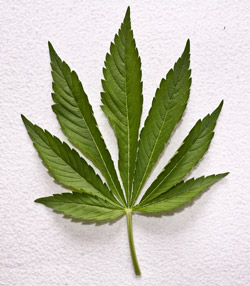
Dr. Reisfeld has often been told by patients that they notice a reduction in the amount of sweat from their hands while using alcohol and/or recreational drugs such as marijuana. The likely explanation for this is that these substances cause mental relaxation, which in turn reduces the body’s sympathetic activity. These types of substance trigger this physiological response in the body.
 This method is not a solution due to the fact that patients will build a tolerance over time, and will require an increase in the substance to achieve the same effect. Also, these substances can have negative effects on a patient’s health, daily activities, and performance. Chronic usage of marijuana, alcohol, or other recreational chemicals may also cause feelings of paranoia and anxiety, which can cause even more sweating further exacerbating the original condition.
We, in no way, are experts on the usage of recreational drugs and alcohol. However, scientific studies are continuously providing new information on the subject. Many experts agree that these substances, with long term usage, can have a negative impact on a patient’s health. Even though a patient may experience temporary relief from their symptoms in certain social situations, long-term use of these substances is not recommended. The same can be said for prescription medications, mood-altering drugs, etc., they can all have the same negative effects with long term usage.
Some mental health professionals attempt to treat patients with medications for reducing anxiety, as a form of hyperhidrosis treatment. Drawbacks for this type of treatment also include the patients developing a tolerance to the treatment, causing it to be ineffective as time goes on. Dr. Reisfeld often has patients explain that they were treated for hyperhidrosis with different “relaxing medications”. It takes more awareness by health professionals to realize that this is not a psychological disorder, but a physiological disorder.